Civil Economy

essays, research and articles ranging from economy to the history of ideas

stdClass Object
(
    [article_layout] => 
    [show_title] => 
    [link_titles] => 
    [show_tags] => 
    [show_intro] => 
    [info_block_position] => 
    [info_block_show_title] => 
    [show_category] => 
    [link_category] => 
    [show_parent_category] => 
    [link_parent_category] => 
    [show_associations] => 
    [show_author] => 
    [link_author] => 
    [show_create_date] => 
    [show_modify_date] => 
    [show_publish_date] => 
    [show_item_navigation] => 
    [show_icons] => 
    [show_print_icon] => 
    [show_email_icon] => 
    [show_vote] => 
    [show_hits] => 
    [show_noauth] => 
    [urls_position] => 
    [alternative_readmore] => 
    [article_page_title] => 
    [show_publishing_options] => 
    [show_article_options] => 
    [show_urls_images_backend] => 
    [show_urls_images_frontend] => 
    [helix_ultimate_image] => images/2026/03/09/BucaneveBeigua@AnFerrucci_ant_2.png
    [helix_ultimate_image_alt_txt] => 
    [spfeatured_image] => images/2026/03/09/BucaneveBeigua@AnFerrucci_ant_2.png
    [helix_ultimate_article_format] => standard
    [helix_ultimate_audio] => 
    [helix_ultimate_gallery] => 
    [helix_ultimate_video] => 
    [video] => 
)
The Council, a “resurrection.” And the world is no longer an enemy

The Council, a “resurrection.” And the world is no longer an enemy

Economic Soul/9 - Since Vatican II, a social and economic philosophy that sees inequality as a problem to be eliminated and not a fact of nature by Luigino Bruni published in Avvenire on March 8, 2026  Pietro Pavan, one of the most influential theologians in the social teaching of John XXIII, “co...
stdClass Object
(
    [article_layout] => 
    [show_title] => 
    [link_titles] => 
    [show_tags] => 
    [show_intro] => 
    [info_block_position] => 
    [info_block_show_title] => 
    [show_category] => 
    [link_category] => 
    [show_parent_category] => 
    [link_parent_category] => 
    [show_associations] => 
    [show_author] => 
    [link_author] => 
    [show_create_date] => 
    [show_modify_date] => 
    [show_publish_date] => 
    [show_item_navigation] => 
    [show_icons] => 
    [show_print_icon] => 
    [show_email_icon] => 
    [show_vote] => 
    [show_hits] => 
    [show_noauth] => 
    [urls_position] => 
    [alternative_readmore] => 
    [article_page_title] => 
    [show_publishing_options] => 
    [show_article_options] => 
    [show_urls_images_backend] => 
    [show_urls_images_frontend] => 
    [helix_ultimate_image] => images/2026/03/06/MSA_Bruni_marzo_2026_ant.jpg
    [helix_ultimate_image_alt_txt] => 
    [spfeatured_image] => images/2026/03/05/MSA_Bruni_marzo_2026_ant.jpg
    [helix_ultimate_article_format] => standard
    [helix_ultimate_audio] => 
    [helix_ultimate_gallery] => 
    [helix_ultimate_video] => 
    [video] => 
)
A God... who withdraws

A God... who withdraws

Religion, including Christianity, is an authentic experience of human flourishing and liberation if it does not become the monopolist of life, if it leaves room for other dimensions of existence. by Luigino Bruni published in Messaggero di Sant'Antonio on 04/03/2026 Criticism of monopolies is one...
stdClass Object
(
    [article_layout] => 
    [show_title] => 
    [link_titles] => 
    [show_tags] => 
    [show_intro] => 
    [info_block_position] => 
    [info_block_show_title] => 
    [show_category] => 
    [link_category] => 
    [show_parent_category] => 
    [link_parent_category] => 
    [show_associations] => 
    [show_author] => 
    [link_author] => 
    [show_create_date] => 
    [show_modify_date] => 
    [show_publish_date] => 
    [show_item_navigation] => 
    [show_icons] => 
    [show_print_icon] => 
    [show_email_icon] => 
    [show_vote] => 
    [show_hits] => 
    [show_noauth] => 
    [urls_position] => 
    [alternative_readmore] => 
    [article_page_title] => 
    [show_publishing_options] => 
    [show_article_options] => 
    [show_urls_images_backend] => 
    [show_urls_images_frontend] => 
    [helix_ultimate_image] => images/2026/02/27/Anima_Economica_08_ant.jpg
    [helix_ultimate_image_alt_txt] => 
    [spfeatured_image] => images/2026/02/27/Anima_Economica_08_ant.jpg
    [helix_ultimate_article_format] => standard
    [helix_ultimate_audio] => 
    [helix_ultimate_gallery] => 
    [helix_ultimate_video] => 
    [video] => 
)
The blood of Europe that changed the Church's view of social

The blood of Europe that changed the Church's view of social

Economic Soul/8 - From the moral ruins of war comes an irreversible turning point: Catholicism reinterprets the past and opens up a dialogue with modernity by Luigino Bruni published in Avvenire on 01/03/2026 After two world wars, fascism, Nazism, and the Holocaust, Europe's modern trajectory cam...
stdClass Object
(
    [article_layout] => 
    [show_title] => 
    [link_titles] => 
    [show_tags] => 
    [show_intro] => 
    [info_block_position] => 
    [info_block_show_title] => 
    [show_category] => 
    [link_category] => 
    [show_parent_category] => 
    [link_parent_category] => 
    [show_associations] => 
    [show_author] => 
    [link_author] => 
    [show_create_date] => 
    [show_modify_date] => 
    [show_publish_date] => 
    [show_item_navigation] => 
    [show_icons] => 
    [show_print_icon] => 
    [show_email_icon] => 
    [show_vote] => 
    [show_hits] => 
    [show_noauth] => 
    [urls_position] => 
    [alternative_readmore] => 
    [article_page_title] => 
    [show_publishing_options] => 
    [show_article_options] => 
    [show_urls_images_backend] => 
    [show_urls_images_frontend] => 
    [spfeatured_image] => images/2026/02/26/Viola_St_Gree_nebbia@Diego_Sara_ant.jpg
    [spfeatured_image_alt] => 
    [post_format] => standard
    [gallery] => 
    [audio] => 
    [video] => 
    [helix_ultimate_video] => 
    [helix_ultimate_article_format] => standard
    [helix_ultimate_image] => images/2026/02/26/Viola_St_Gree_nebbia@Diego_Sara_ant.jpg
    [link_title] => 
    [link_url] => 
    [quote_text] => 
    [quote_author] => 
    [post_status] => 
)

Spiritual capital

Spiritual capital

Uncertain times - How necessary is it today to develop a new spiritual grammar, in dialogue with modernity, without fear? by Luigino Bruni published in Città Nuova on May 15, 2025 - From the magazine Città Nuova no. 05/2025  What determines the wealth of a community or a country? Many things, b...
stdClass Object
(
    [article_layout] => 
    [show_title] => 
    [link_titles] => 
    [show_tags] => 
    [show_intro] => 
    [info_block_position] => 
    [info_block_show_title] => 
    [show_category] => 
    [link_category] => 
    [show_parent_category] => 
    [link_parent_category] => 
    [show_associations] => 
    [show_author] => 
    [link_author] => 
    [show_create_date] => 
    [show_modify_date] => 
    [show_publish_date] => 
    [show_item_navigation] => 
    [show_icons] => 
    [show_print_icon] => 
    [show_email_icon] => 
    [show_vote] => 
    [show_hits] => 
    [show_noauth] => 
    [urls_position] => 
    [alternative_readmore] => 
    [article_page_title] => 
    [show_publishing_options] => 
    [show_article_options] => 
    [show_urls_images_backend] => 
    [show_urls_images_frontend] => 
    [helix_ultimate_image] => images/2026/02/24/Anima_Economica_07_ant.jpg
    [helix_ultimate_image_alt_txt] => 
    [spfeatured_image] => images/2026/02/20/Anima_Economica_07_ant.jpg
    [helix_ultimate_article_format] => standard
    [helix_ultimate_audio] => 
    [helix_ultimate_gallery] => 
    [helix_ultimate_video] => 
    [video] => 
)
Corporatism and the perfect trap into which many fell (including Catholics)

Corporatism and the perfect trap into which many fell (including Catholics)

Economic Soul/7 - During the twenty years of Fascism, economists converged on the model espoused by Fascism: a deceptive but convincing temptation by Luigino Bruni published in Avvenire on February 22, 2026 “It is an anti-historical attitude par excellence to consider the problems, opinions, and ...
stdClass Object
(
    [article_layout] => 
    [show_title] => 
    [link_titles] => 
    [show_tags] => 
    [show_intro] => 
    [info_block_position] => 
    [info_block_show_title] => 
    [show_category] => 
    [link_category] => 
    [show_parent_category] => 
    [link_parent_category] => 
    [show_associations] => 
    [show_author] => 
    [link_author] => 
    [show_create_date] => 
    [show_modify_date] => 
    [show_publish_date] => 
    [show_item_navigation] => 
    [show_icons] => 
    [show_print_icon] => 
    [show_email_icon] => 
    [show_vote] => 
    [show_hits] => 
    [show_noauth] => 
    [urls_position] => 
    [alternative_readmore] => 
    [article_page_title] => 
    [show_publishing_options] => 
    [show_article_options] => 
    [show_urls_images_backend] => 
    [show_urls_images_frontend] => 
    [helix_ultimate_image] => images/2026/02/13/Anima_economica_06_ant.jpg
    [helix_ultimate_image_alt_txt] => 
    [spfeatured_image] => images/2026/02/13/Anima_economica_06_ant.jpg
    [helix_ultimate_article_format] => standard
    [helix_ultimate_audio] => 
    [helix_ultimate_gallery] => 
    [helix_ultimate_video] => 
    [video] => 
)
Fanfani's criticism of capitalism and the temptation to return to the past

Fanfani's criticism of capitalism and the temptation to return to the past

Economic Soul/6 - Catholicism's complex relationship with modernity in the development of the Church's social doctrine by Luigino Bruni published in Avvenire on February 15, 2026   The relationship between Catholicism, modernity, fascism, economics, and society in recent centuries is a rough and...
stdClass Object
(
    [article_layout] => 
    [show_title] => 
    [link_titles] => 
    [show_tags] => 
    [show_intro] => 
    [info_block_position] => 
    [info_block_show_title] => 
    [show_category] => 
    [link_category] => 
    [show_parent_category] => 
    [link_parent_category] => 
    [show_associations] => 
    [show_author] => 
    [link_author] => 
    [show_create_date] => 
    [show_modify_date] => 
    [show_publish_date] => 
    [show_item_navigation] => 
    [show_icons] => 
    [show_print_icon] => 
    [show_email_icon] => 
    [show_vote] => 
    [show_hits] => 
    [show_noauth] => 
    [urls_position] => 
    [alternative_readmore] => 
    [article_page_title] => 
    [show_publishing_options] => 
    [show_article_options] => 
    [show_urls_images_backend] => 
    [show_urls_images_frontend] => 
    [helix_ultimate_image] => images/2026/02/06/Anima_economica_05_ant.jpg
    [helix_ultimate_image_alt_txt] => 
    [spfeatured_image] => images/2026/02/06/Anima_economica_05_ant.jpg
    [helix_ultimate_article_format] => standard
    [helix_ultimate_audio] => 
    [helix_ultimate_gallery] => 
    [helix_ultimate_video] => 
    [video] => 
)
The doctrine that looked to the Middle Ages generated works and subsidiarity

The doctrine that looked to the Middle Ages generated works and subsidiarity

Economic Soul/5 - The impact of “Rerum Novarum” and “Quadragesimo Anno” exceeded initial expectations. Leo XIII and Pius XI proposed a “third way” between capitalism and socialism as a form of restoration, giving rise to cooperatives, schools, rural credit unions, and mutual aid societies. by Luigi...
stdClass Object
(
    [article_layout] => 
    [show_title] => 
    [link_titles] => 
    [show_tags] => 
    [show_intro] => 
    [info_block_position] => 
    [info_block_show_title] => 
    [show_category] => 
    [link_category] => 
    [show_parent_category] => 
    [link_parent_category] => 
    [show_associations] => 
    [show_author] => 
    [link_author] => 
    [show_create_date] => 
    [show_modify_date] => 
    [show_publish_date] => 
    [show_item_navigation] => 
    [show_icons] => 
    [show_print_icon] => 
    [show_email_icon] => 
    [show_vote] => 
    [show_hits] => 
    [show_noauth] => 
    [urls_position] => 
    [alternative_readmore] => 
    [article_page_title] => 
    [show_publishing_options] => 
    [show_article_options] => 
    [show_urls_images_backend] => 
    [show_urls_images_frontend] => 
    [spfeatured_image] => images/2026/02/03/MSA_bruni_febbraio_2026_ant.jpg
    [spfeatured_image_alt] => 
    [post_format] => standard
    [gallery] => 
    [audio] => 
    [video] => 
    [helix_ultimate_video] => 
    [helix_ultimate_article_format] => standard
    [helix_ultimate_image] => images/2026/02/03/MSA_bruni_febbraio_2026_ant.jpg
    [link_title] => 
    [link_url] => 
    [quote_text] => 
    [quote_author] => 
    [post_status] => 
)
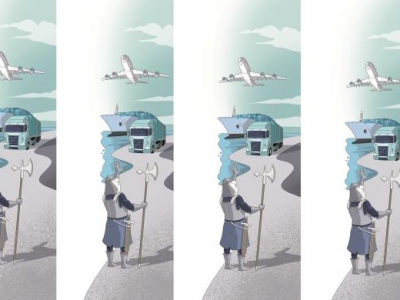
A present is not a gift

A present is not a gift

A gift is something given freely, it is a relational good, that is, an act that is not owed, where the main good is not the object given but the relationship between the giver and the receiver. by Luigino Bruni published in Messaggero di Sant'Antonio on February 2, 2026  The Christmas holidays ...